.png)
Engineered Protection for Advanced Vehicle Systems
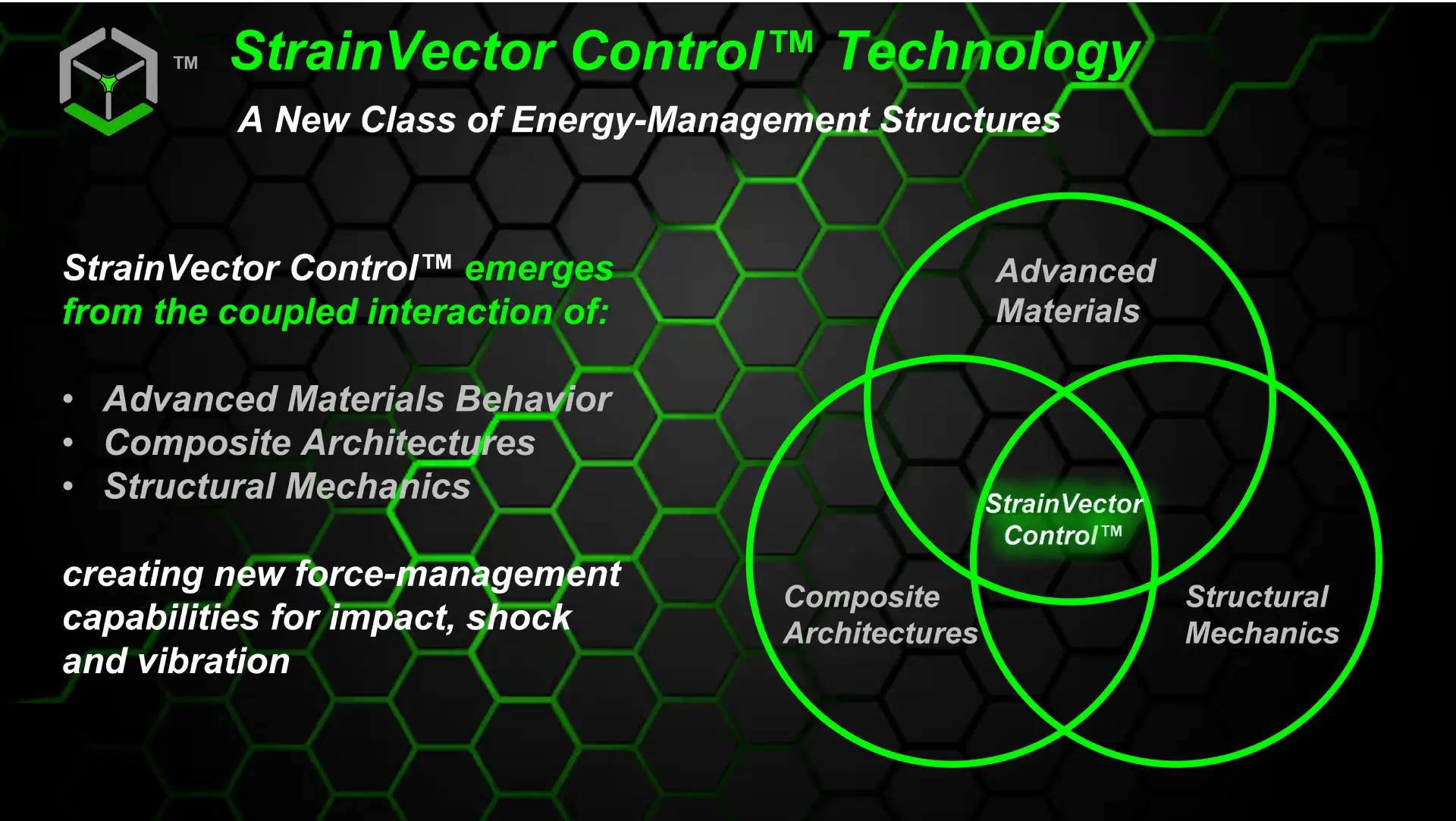
StrainVector Control™ technology gives vehicle designers and engineers a more advanced way to manage vibration, shock, and impact forces across ground vehicles, marine platforms, aerial systems, and aerospace applications.

The Weight-Performance Tradeoff in Vehicles
Every vehicle system — from a drone, an automobile, to a massive launch vehicle — is a weight-versus-performance problem. Vibration, shock, and impact forces have to be managed, but every gram of isolation hardware added degrades performance. Conventional damping and isolation systems have been refined for decades, but still struggle to simultaneously minimize transmitted forces, survive repeated high-impact events, and meet strict weight, size, and cost constraints.
For vehicle engineers, that tradeoff isn't a nuisance — it's a design ceiling. The materials and systems available haven't kept pace with what modern vehicle platforms demand.
What Our Technology Enables
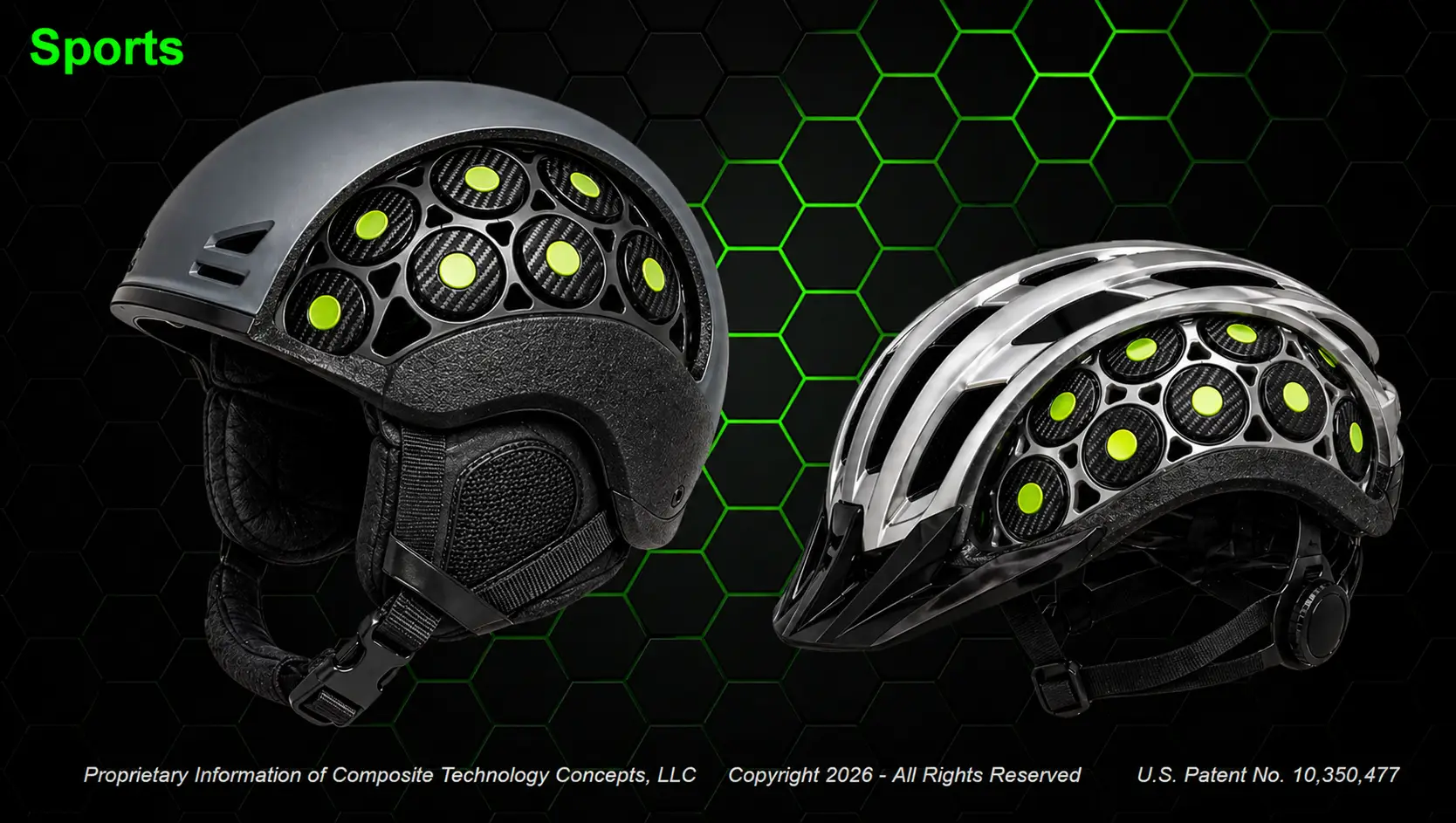
StrainVector Control™ from Composite Technology Concepts (CTC) enables controlled deformation to manage how force moves through a structure — absorbing energy, reducing peak impacts, and isolating vibration within compact, lightweight configurations.
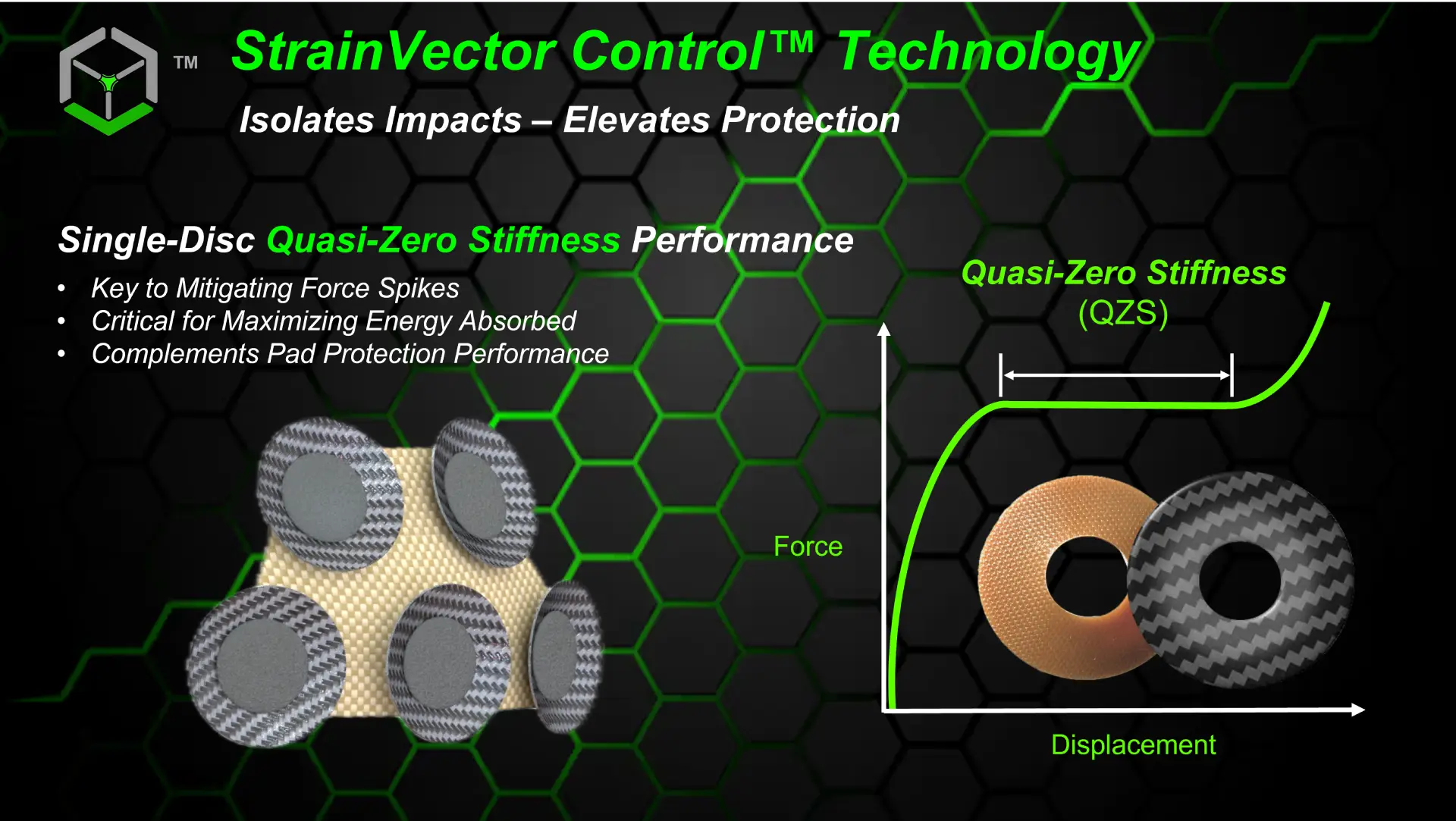
As one example within the StrainVector Control™ portfolio, CTC designed, fabricated, and impact tested a compact composite shock disc weighing less than three pennies. Testing demonstrated sustained energy absorption, extreme deformation capability, and experimentally verified QZS behavior in a single ultralight disc structure. During prototype evaluation, the disc survived a peak transient acceleration exceeding 32,000 g’s. By sustaining structural integrity and continuous energy absorption capability under extreme deformation without failure, it validated the readiness of StrainVector Control™ structures for demanding, repeat-impact environments.
The result is a structural approach that can be tailored to specific load requirements, integrated into new or existing product designs, and validated through CTC's proprietary numerical analysis method before fabrication begins.
Where It Can Be Applied
CTC's technology can be engineered into a range of vehicle systems — from seat and suspension isolation to bumper structures and occupant protection in both passenger and racing applications.
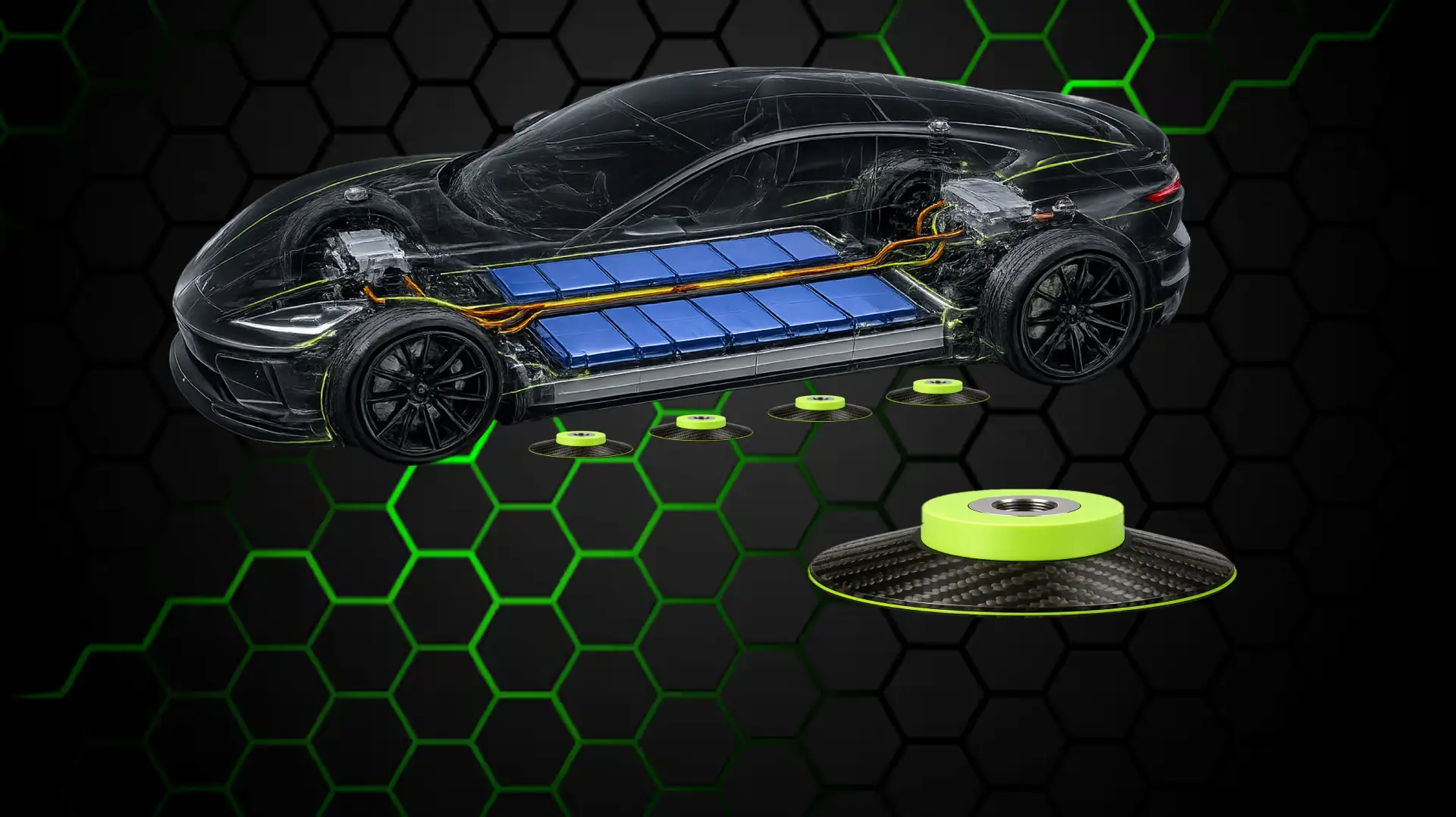
Automobiles & EVTOL

Motorcycles & Scooters
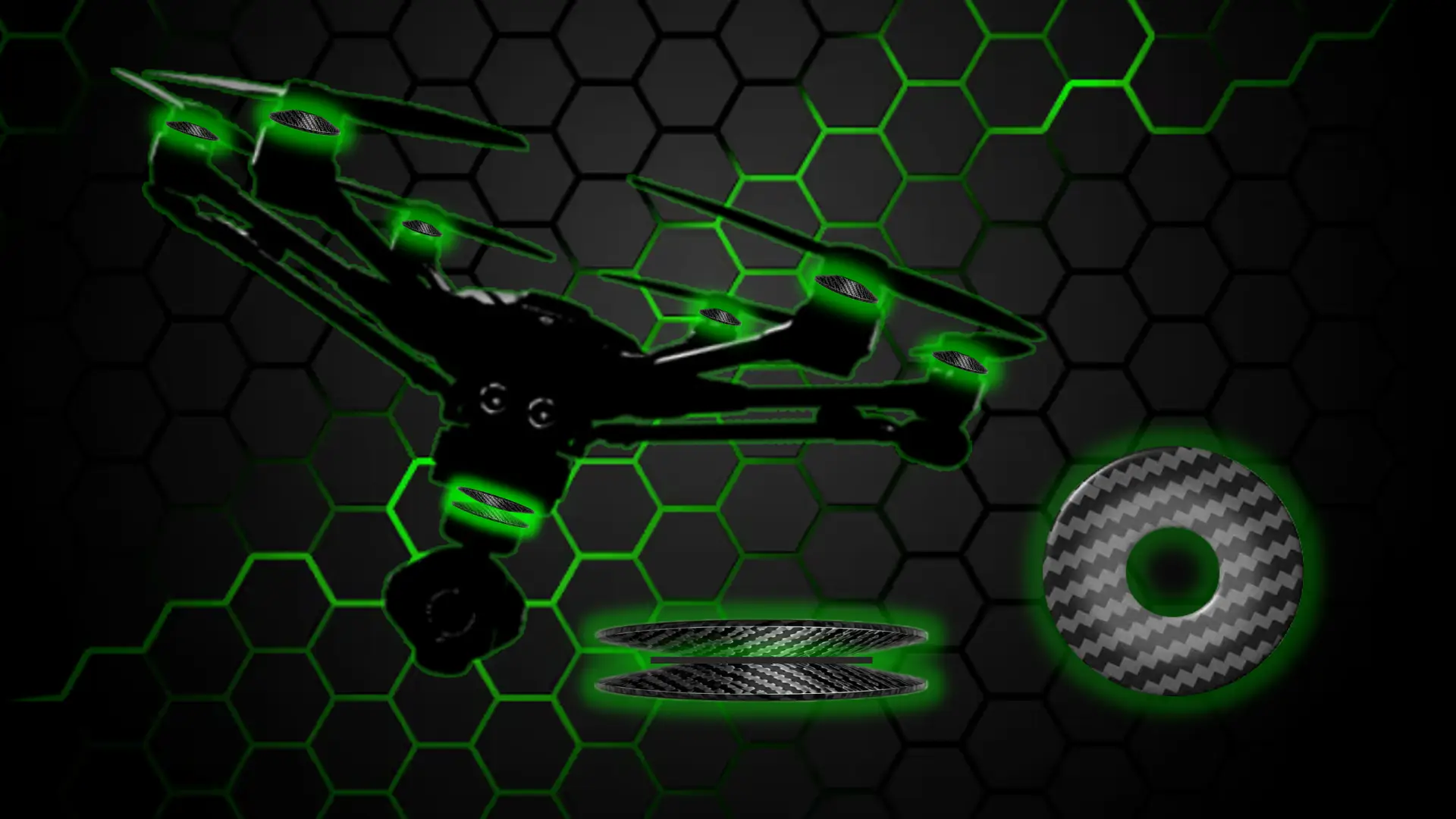
Drones & UAV's
%20(1).webp)
Aircraft & Launch Systems
Tested. Not Just Theorized.
CTC's technology has been validated through preliminary prototype testing across multiple designs and real-world loading conditions.
These aren't simulated projections. They're a validated foundation for application-specific development.
See What's Possible
CTC works directly with OEMs, part manufacturers, and development partners to evaluate how StrainVector Control™ can enhance product performance.
Leveraging proprietary analysis tools and extensive expertise in nonlinear structural behavior, we help customers identify promising design approaches, evaluate technology integration opportunities, and accelerate product development by reducing reliance on costly iterative design, fabrication, and testing.
Our role is to provide technical insight and design support that enables more efficient development, while customers retain responsibility for their final product designs.